 24 Sep, 2026
Cooler weather has a way of turning small summer wear into something you suddenly notice. A door starts catching cold air around the frame. An outdoor faucet looks more exposed than it did a month ago. Debris that sat harmlessly in a gutter through dry weather becomes more relevant once rain picks up again.
The better question is not whether the whole property needs attention, but what has changed since summer. A home maintenance contractor in Nashville can focus on the wear, gaps, or small shifts that are easy to overlook while the weather is still warm. Keeping seasonal maintenance on a recurring schedule brings those areas back into focus as conditions change, before a small issue becomes much harder to ignore.
What signs tell you your house needs attention before temperatures drop?
Give extra attention to changes that are new, recurring, or gradually getting worse. A small issue that keeps returning deserves more attention than an occasional quirk that has stayed the same for years. Signs worth checking include:
- water collecting in a spot that usually stays dry
- gutters spilling over or draining unevenly during rain
- exterior hardware that has loosened or shifted
- outdoor fixtures or connections showing visible wear
If this is your first cooler season in the house, learning what is normal for a newly purchased property takes time. Without that history, it can be harder to tell whether something has recently changed or has simply always behaved that way.
Timing matters too. Seasonal changes bring different maintenance needs, so an issue that was easy to ignore during warmer months may deserve a closer look before colder conditions settle in.
Are your windows and doors ready for cooler weather?
Windows and exterior doors should close without a struggle and keep noticeable drafts from coming through around the edges. Small changes are often easier to catch before colder weather settles in, so check for:
- daylight around a closed exterior door
- weatherstripping that has flattened, torn, or pulled loose
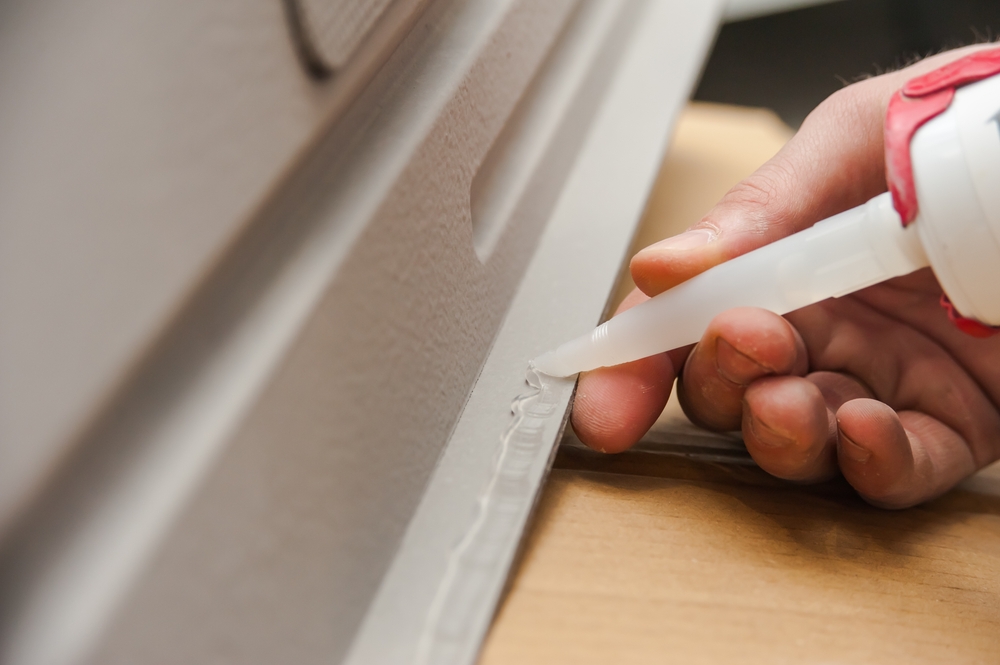
- cracked caulk around stationary frame edges
- a window or door that has become harder to close
Not every draft points to the same problem. Worn weatherstripping may need replacement, while a door that suddenly rubs or sits unevenly could need an adjustment instead. Cracked caulk around a fixed frame can leave another path for outside air, even when the window itself still operates normally.
Sealing gaps around window and door frames limits unwanted air movement where the opening itself still closes properly. The important part is identifying where the draft is coming from first, rather than adding sealant or new weatherstripping to an area that actually needs a different fix.
What should you look for around the exterior after summer?
Look for evidence that heat, rain, outdoor use, or debris changed something over the warmer months. You are not trying to find a project everywhere you look. You are checking whether the exterior still sheds water, closes properly, and protects the edges where different materials meet.
Follow where rainwater travels
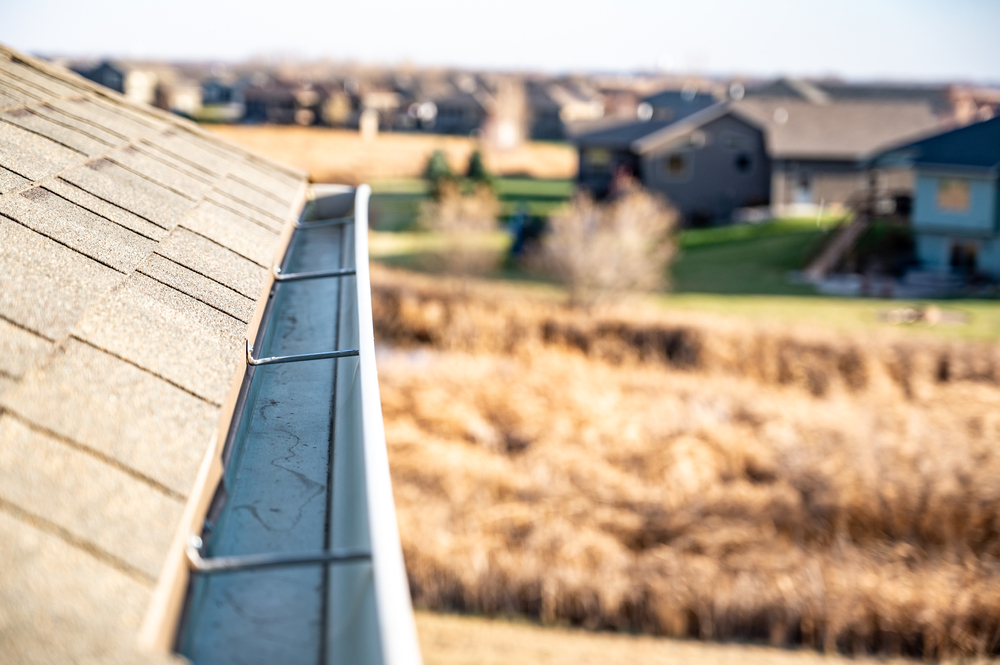
Start at the gutters and downspouts, then look at where the water leaves them. Packed debris, staining beneath an edge, or runoff ending too close to the structure gives you a clearer reason to act than a gutter that simply looks a little dirty.
Check joints & exposed edges
Caulk around frames, trim, and other exterior transitions can crack or separate gradually. These are the sorts of small upkeep jobs that are easy to miss until they worsen, particularly when nothing indoors has changed yet. Do not assume every gap needs another layer applied over it. Loose material should be removed and the underlying area checked before the joint is resealed.
Revisit what got regular summer use
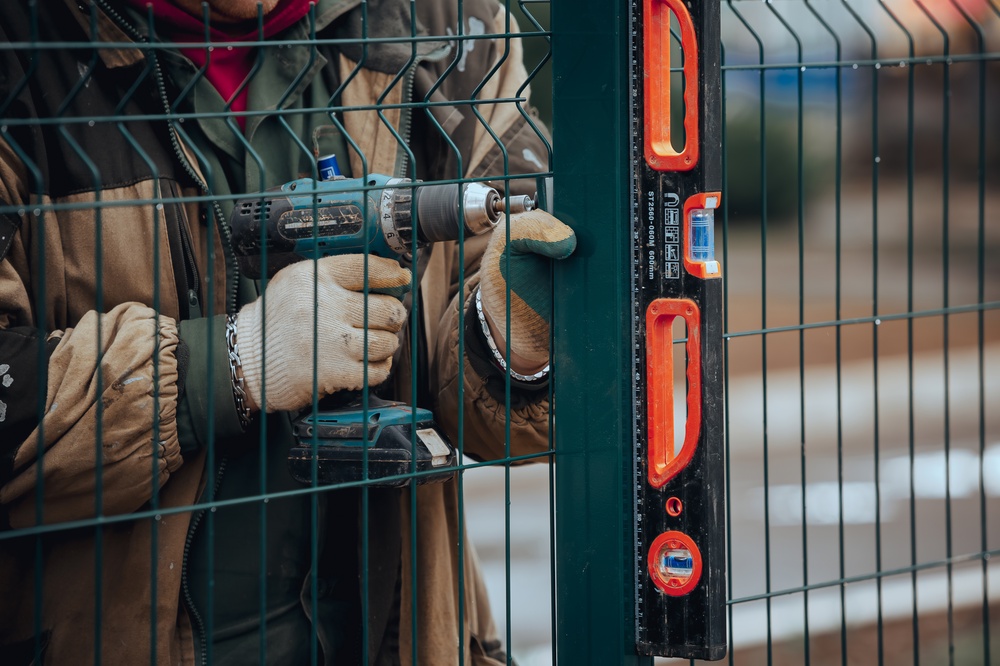
Gates, railings, hose connections, and exterior hardware spend months being opened, moved, or exposed to the weather. A latch that has shifted or a connection that will soon sit unused deserves a quick check before colder conditions make the same job less convenient.
This final pass is less about preparing for one dramatic weather event and more about catching what summer left slightly out of place.
Where can I find a reliable home maintenance contractor in Nashville?
The Home Team BEC is locally owned and operated, licensed and insured, and backed by more than 20 years of trade experience. Our Quarterly Maintenance Program includes four seasonal visits each year, with the upcoming checklist shared before every round and the work adjusted to the needs of the property. Members also get clear communication, dependable follow-through, and the option to schedule additional handyman service when something comes up between visits.
Whether your property is near the Tennessee State Museum or elsewhere in the area, small seasonal issues are worth handling before they become harder to ignore. Book your next visit and get those details taken care of before the season changes.
Similar Posts
24 Sep, 2026

Ready to put your home back in play?
Whether it’s a small repair or ongoing home maintenance, our team is ready to step in with dependable service. Let our team handle the work so you can enjoy a smoother, stress-free home. Schedule your service today!